
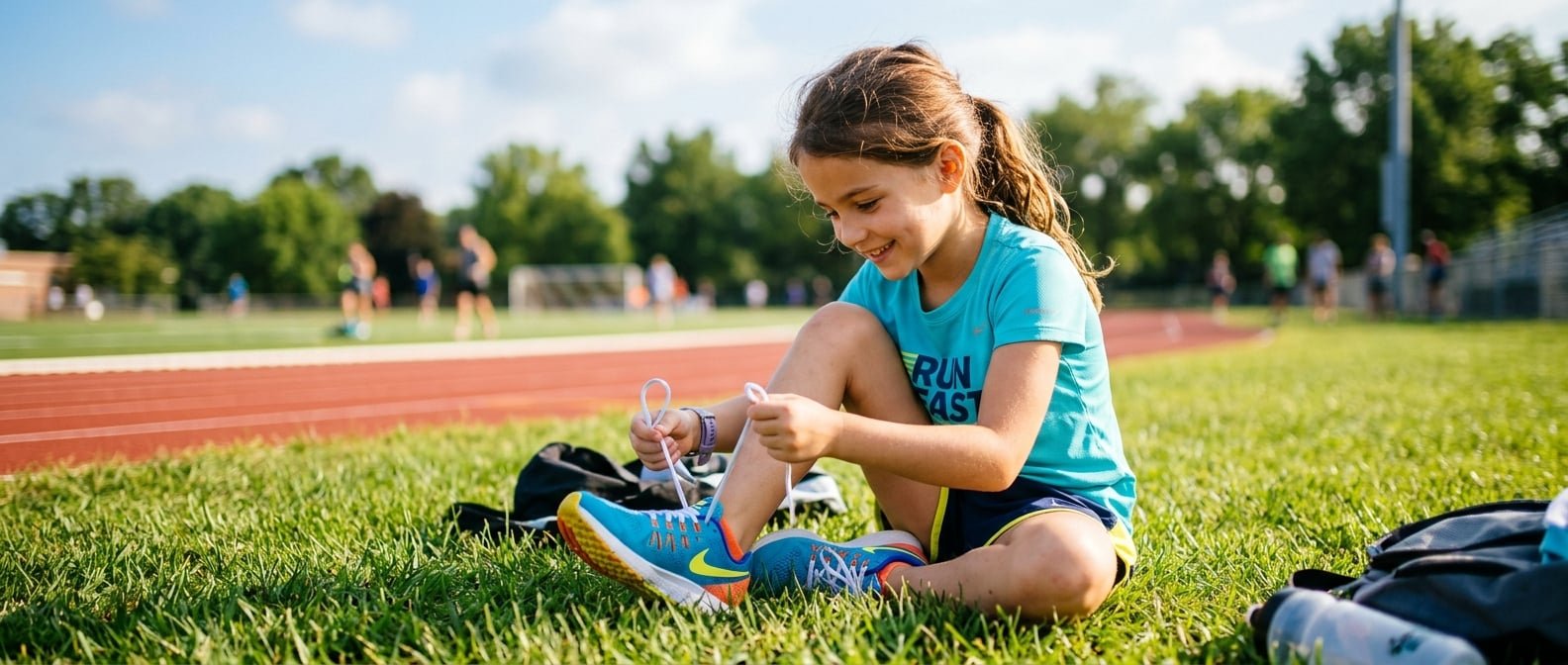
Why Growing Feet Need Extra Attention
Children’s feet are not simply smaller versions of adult feet. They are still developing, with growth plates (areas of soft, growing cartilage near the ends of bones) that do not finish maturing until the teenage years. Because these growth plates are more vulnerable than fully formed bone, the repeated impact and quick direction changes involved in many sports can place unique demands on a young athlete’s feet and heels.
At the same time, children are often less able to describe exactly what they feel. A child may limp, avoid an activity they usually enjoy, or simply say their foot “hurts” without more detail. This makes a parent’s observations an important part of recognising when something may need a closer look.
The goal of this guide is educational: to help you understand the more common foot concerns seen in active children, recognise general warning signs, and know when arranging a professional assessment with a pediatric foot care provider may be worthwhile. It is not a substitute for an individual assessment.
Common Foot Concerns in Young Athletes
Several foot and heel concerns appear more frequently in children who play sports. Understanding them at a general level can help you have a more informed conversation with a healthcare professional:
- Heel pain after running sports: One of the more common reasons active children experience heel pain is irritation of the growth plate at the back of the heel. You can read more in our article on heel pain after soccer and Sever’s disease.
- Flat feet: Many children have flatter arches than adults, which is often a normal part of development. Our guide on flat feet in children explains when this may warrant attention.
- General aches versus injury: It is not always easy to tell ordinary aches from something that needs assessment. Our article comparing growing pains and foot injuries looks at this in more detail.
- Toenail and skin issues: Tight footwear and repetitive pressure can contribute to concerns such as ingrown toenails, blisters, and calluses.
Each child is different, and the presence of one of these concerns does not automatically mean a serious problem. A chiropodist can help interpret symptoms in the context of your child’s age, activity level, and overall foot development.
Warning Signs Parents Can Watch For
While occasional soreness after a busy day of sport is common, certain patterns may suggest it is worth arranging an assessment. General signs parents often find helpful to monitor include:
- Pain that lasts more than a few days or keeps returning
- A limp, or a change in how your child walks or runs
- Reluctance to take part in activities they usually enjoy
- Swelling, redness, or warmth around a joint or the heel
- Pain that wakes a child at night or is present first thing in the morning
- Complaints that are consistently focused on one specific spot
These signs do not diagnose any particular condition, and many have simple explanations. They are offered here as a general guide to help you decide when a professional opinion may be useful, rather than as a reason for alarm.
The Role of Footwear in Young Athletes
Footwear plays a meaningful role in how a child’s feet cope with sport. Shoes that are too small, worn out, or not suited to the activity can contribute to discomfort. Because children’s feet grow quickly, footwear that fit well a few months ago may no longer be appropriate.
Some general points many parents find helpful:
- Check shoe fit regularly, as children’s feet can change size within a single sports season
- Look for a thumb’s width of space between the longest toe and the end of the shoe
- Choose footwear appropriate to the sport and playing surface
- Replace worn athletic shoes when the tread or support has broken down
Footwear alone cannot address every concern, but appropriate shoes are a sensible starting point. A chiropodist can offer guidance tailored to your child’s activities during an assessment.
Do Children Need Custom Orthotics for Sport?
Parents often ask whether their child needs custom orthotics to take part in sport. The answer depends entirely on the individual child, and not every young athlete requires them. Orthotics are one option a chiropodist may discuss after an assessment, alongside footwear guidance, activity modification, and other approaches.
We explore this question in more depth in our dedicated article on whether a child needs custom orthotics for sports. The key point is that any decision should follow an individual assessment rather than a general assumption.
Everyday Habits That Support Foot Health
Beyond footwear and professional care, a few everyday habits can support the general foot health of active children:
- Warm up and cool down: Gentle preparation before activity and stretching afterward are widely encouraged for young athletes.
- Allow rest and recovery: Rest days and variety in activity can help reduce repetitive strain on the same structures.
- Encourage communication: Let your child know it is okay to speak up about aches, so concerns can be noticed early.
- Keep feet clean and dry: Good hygiene supports healthy skin and nails, particularly in shared sports environments.
These habits are general wellness suggestions and are not a treatment for any specific condition.
When to Consider a Chiropody Assessment
If your child has ongoing foot or heel pain, a change in how they walk, or discomfort that is affecting their enjoyment of sport, it can be worthwhile to arrange a professional assessment. A chiropodist is a regulated foot care professional in Ontario, registered with the College of Chiropodists of Ontario, who can assess a child’s feet and discuss appropriate options.
Our related article on when your child should see a chiropodist looks at this decision in more detail. At Foot Forward Clinic in Maple and the wider Woodbridge and Thornhill area, our registered chiropodists provide pediatric foot assessments in a child-friendly setting.
You can contact our clinic or book a pediatric foot assessment online to discuss your child’s needs with a member of our team.
Educational information only. This article is intended for general education and should not replace an assessment by a qualified healthcare professional. If you have concerns about your child's feet, please book an assessment with a registered chiropodist.