
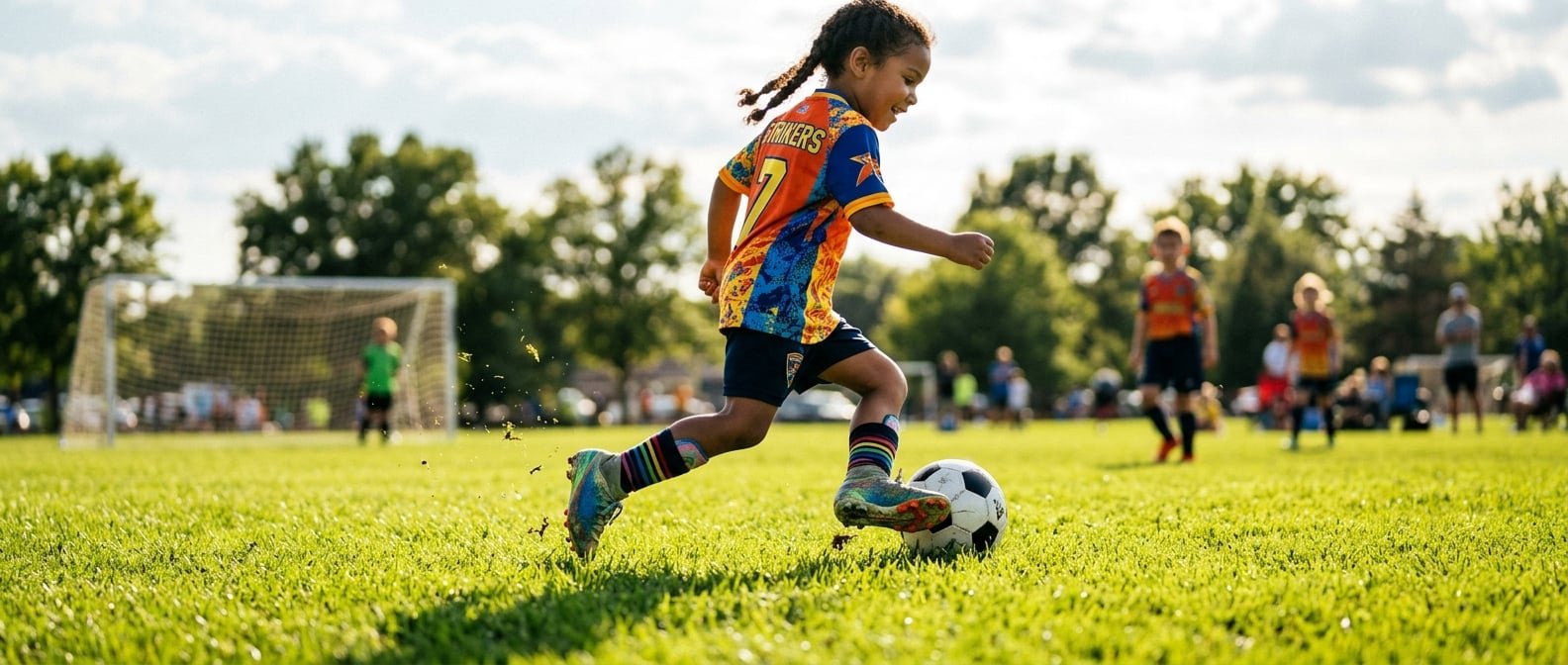
A Common Reason for Heel Pain in Young Soccer Players
If your child comes off the soccer pitch complaining of heel pain, you are not alone. Heel pain is one of the more frequently reported foot concerns among active children, particularly those who take part in running and jumping sports such as soccer, basketball, and track.
One of the more common explanations in this age group is a condition sometimes called Sever’s disease. Despite the name, it is not a disease in the way most people think of one. It describes irritation of the growth plate at the back of the heel. Understanding what this means can help parents feel more informed and less worried.
This article is educational and general in nature. Only an individual assessment with a healthcare professional such as a chiropodist can determine what is causing a particular child’s heel pain.
What Is Sever's Disease?
Sever’s disease, known in medical terms as calcaneal apophysitis, refers to irritation of the growth plate at the back of the heel bone. In growing children, this growth plate is an area of cartilage where new bone forms. The Achilles tendon attaches nearby, and during periods of growth and activity, repeated pulling and impact can irritate this area.
It is most often seen in children and pre-teens during growth spurts, and tends to become less of an issue once the growth plate finishes developing. Because it is linked to normal growth combined with activity, it is considered a self-limiting condition. But that does not mean it should be ignored, as an assessment can help with comfort and activity guidance.
Signs Parents May Notice
Because children do not always describe their symptoms clearly, parents often notice behaviour changes first. General signs that are commonly associated with heel irritation include:
- Heel pain during or after running sports
- Walking on tiptoes or with a limp, especially after activity
- Squeezing the sides of the heel causing discomfort
- Stiffness or soreness in the heel first thing in the morning
- Reluctance to take part in sport they usually enjoy
These signs are not unique to any single condition. They are shared here to help parents describe what they are seeing to a healthcare professional, who can then assess the cause.
Why Soccer and Similar Sports Are Often Involved
Soccer involves a great deal of running, sudden stops, changes in direction, and kicking, all of which place repeated stress on the heel and the Achilles tendon. Many soccer cleats also have limited heel cushioning and are worn on firm surfaces, which can add to the load on a growing heel.
Similar patterns are seen in other running and jumping sports. The combination of a growth spurt, a busy training schedule, and firm playing surfaces can contribute to heel irritation. This is why symptoms often appear during a busy part of the season. Choosing appropriate footwear for the sport is one general step parents can take, though footwear alone does not address every factor.
General Approaches and the Value of Assessment
Approaches to heel discomfort in children are individual and should be guided by a professional assessment. In general terms, healthcare providers often discuss activity modification, appropriate footwear, gentle stretching, and rest during flare-ups. In some cases, a chiropodist may discuss options such as cushioning or custom orthotics as part of a wider plan.
Because heel pain can have more than one cause, an assessment helps confirm what is contributing to the discomfort before deciding on any approach. Our broader guide to heel pain offers further general background, and our parent’s guide to children’s sports foot care puts heel pain in the context of other common concerns.
When to Arrange a Professional Assessment
It can be worthwhile to arrange an assessment if your child’s heel pain lasts more than a week or two, keeps returning, causes a limp, or is affecting their sleep or enjoyment of activity. A chiropodist, a regulated foot care professional in Ontario, can assess the heel, consider your child’s growth and activity, and discuss appropriate options.
If you would like your child’s heel pain looked at, you can contact Foot Forward Clinic in Vaughan or book a pediatric foot assessment online. You may also find our article on telling growing pains apart from foot injuries helpful.
Educational information only. This article is intended for general education and should not replace an assessment by a qualified healthcare professional. If you have concerns about your child's feet, please book an assessment with a registered chiropodist.